
- HVAC
- Air conditioner
0d
Toshiba 0d on an air conditioner: heat exchanger sensor fault
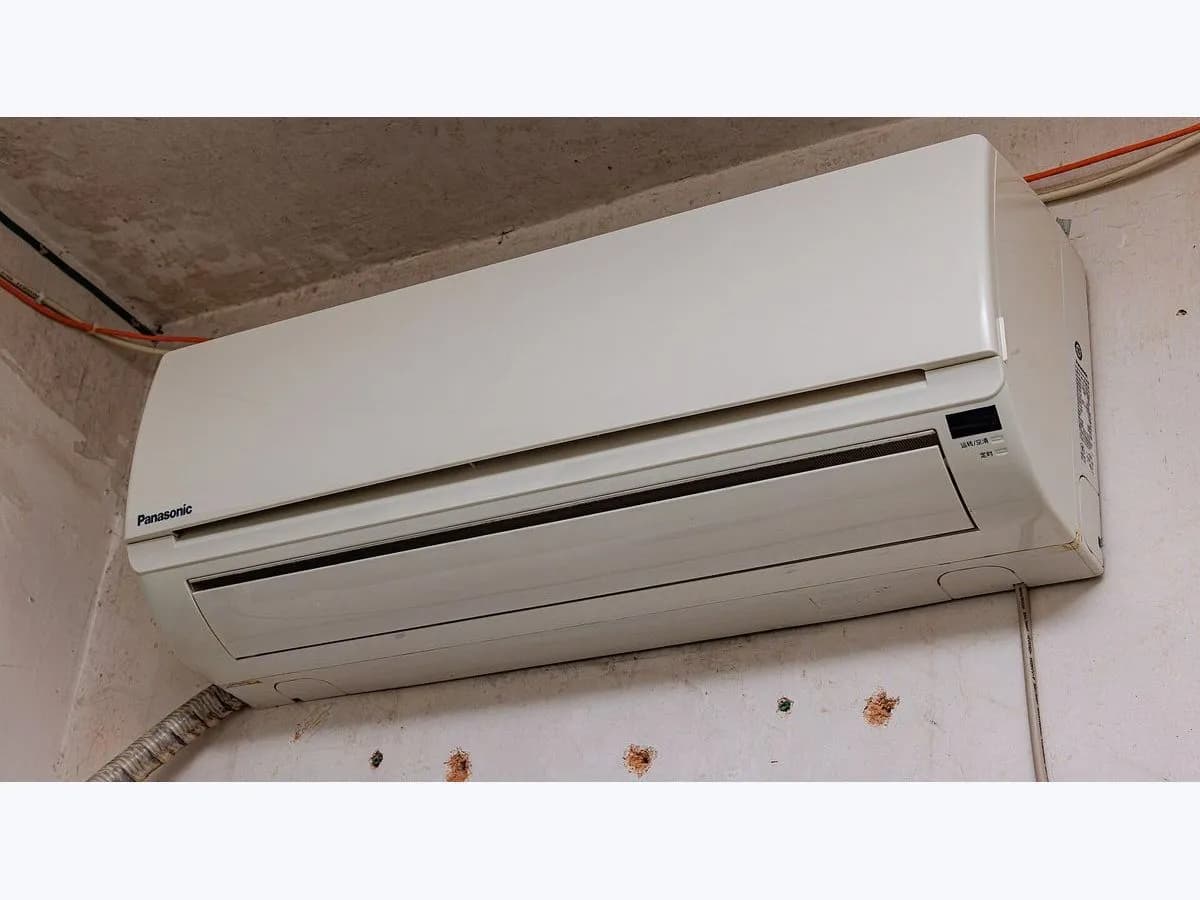
Risk level
Low
Usually safe to check without specialist tools.
Urgency
Low
Quick answer
On Toshiba wall-mounted splits, 0d means a fault in the indoor unit's TC heat exchanger sensor; the unit keeps running. Write the code down, reset the power once and, if it comes back, ask for a technician's check.
Safety first
Stop and check this first
- This Toshiba uses R32, a flammable refrigerant, and Toshiba requires tools and materials made only for R32. Do not open the indoor unit: the sensor is mounted on the heat exchanger, next to the refrigerant pipes.
Safe checks you can perform
- Reading the code in remote service mode
- Power reset
- TC sensor and its connection
Leave these tasks to a qualified professional
- Do not attempt this professional task: Clear the code after the repair
- Do not attempt this professional task: Check the sensor before the board
What a technician must be able to justify
Technician visit
These are the steps they must carry out and show you. Tick them as they work: if steps are skipped, do not accept a part swap.
These are not instructions for opening or handling the equipment yourself. They are the checks that should support a technical conclusion.
Clear the code after the repair
What they doThe technician clears the stored code from the remote in service mode (code 7F) and checks it does not return.
They must show youa reading with no code.
In writingdate and result of the test.
Check the sensor before the board
What they doThe technician checks the TC sensor position, its connector and its reading before assessing the indoor board.
They must show youthe sensor in place and the measured value.
In writingwhich part was replaced and why.
Before accepting a part or repair
Nothing has been shown yet. Do not accept a part swap based on the code alone.
Follow these steps
Note: Follow the documented order. An error code identifies the affected system, but it does not prove by itself which part has failed.
Reading the code in remote service mode
- Who:
- you.
- How:
- press CHECK on the back of the remote and step with TEMP; when the stored code appears, the indoor unit beeps for 10 seconds and all indicators flash.
- Result that matters:
- that the code is 0d and not 0C, which is the TA room sensor.
- If it is 0d:
- the heat exchanger sensor is the suspect; the unit can keep running.
- If it is 0C:
- it is the room temperature sensor; look up that page.
- Evidence to keep:
- a photo of the remote with the code and the date.
Evidence: Toshiba service manual SVM-22103, R32 wall-mounted indoor units RAS-M05G3KVSG-E and RAS-M05G3KVSGB-E
Power reset
- Who:
- you.
- How:
- switch the unit off, isolate its circuit at the consumer unit and restore power, as Toshiba says after diagnosis.
- Result that matters:
- whether the display flashes again. Toshiba notes the code stays stored even after a reset.
- If it flashes again:
- the sensor fault is still there; ask for a technician's check.
- If it does not:
- note the date; the technician can read the stored code.
- Evidence to keep:
- a note of each occurrence and the mode it was in.
Evidence: Toshiba service manual SVM-22103, R32 wall-mounted indoor units RAS-M05G3KVSG-E and RAS-M05G3KVSGB-E
TC sensor and its connection
- Who:
- an air conditioning technician.
- How:
- with the power isolated, checks the TC sensor is in place, checks its connector and measures it.
- Result that matters:
- whether the sensor has moved, its connection fails or it measures wrong.
- If the sensor or connector fails:
- the cause is confirmed without touching the board.
- If sensor and connection are fine:
- Toshiba says to check the indoor board.
- Evidence to keep:
- a job sheet with the measured value and a photo of the sensor in place.
Requires opening the indoor unit with the power isolated; the unit uses R32. Technician only.
Evidence: Toshiba service manual SVM-22103, R32 wall-mounted indoor units RAS-M05G3KVSG-E and RAS-M05G3KVSGB-E
Still not solved
If the error persists, stop here. See what the technician must do and show you.
Where this code applies
A code is meaningful only inside the right product and version context.
Primary scope
- System
- HVAC
- Brand
- Toshiba
- Product type
- Air conditioner
Known code variants
- 0D
- OD
- Toshiba 0d
What it means
Toshiba assigns 0d to the indoor board when the TC sensor, which measures the temperature of the indoor heat exchanger, is out of place, disconnected, short-circuited or has moved. Operation continues and the display flashes when it is detected. The code does not tell the sensor, its connection and the board apart: Toshiba says to check the TC sensor and its connection first and, if they are fine, the board.
Warnings and stop conditions
- Mediumsource verified
This Toshiba uses R32, a flammable refrigerant, and Toshiba requires tools and materials made only for R32. Do not open the indoor unit: the sensor is mounted on the heat exchanger, next to the refrigerant pipes.
Evidence: Toshiba service manual SVM-22103, R32 wall-mounted indoor units RAS-M05G3KVSG-E and RAS-M05G3KVSGB-E
Symptoms and causes
Probable causes · in order
- TC sensor out of placePossible
Toshiba includes the sensor being out of its holder or moved on the heat exchanger. It is visible when the unit is opened, before anything is measured.
Evidence: Toshiba service manual SVM-22103, R32 wall-mounted indoor units RAS-M05G3KVSG-E and RAS-M05G3KVSGB-E
- TC sensor shorted or openPossible
The sensor is in place but reads an impossible value. It is confirmed by measuring it off the circuit.
Evidence: Toshiba service manual SVM-22103, R32 wall-mounted indoor units RAS-M05G3KVSG-E and RAS-M05G3KVSGB-E
- Sensor connection or indoor boardPossible
A loose connector gives the same reading as an open sensor. The board is only suspected if sensor and connection are fine.
Evidence: Toshiba service manual SVM-22103, R32 wall-mounted indoor units RAS-M05G3KVSG-E and RAS-M05G3KVSGB-E
Virtual technician
Does 0d still appear after these checks?
Answer a few questions to narrow down the likely cause and the safest next action. Guidance only - it never replaces a professional.
Sources and technical references
Was this entry useful?