
- HVAC
- Air conditioner
E4
Daitsu E4 on an air conditioner: refrigerant leak or system fault
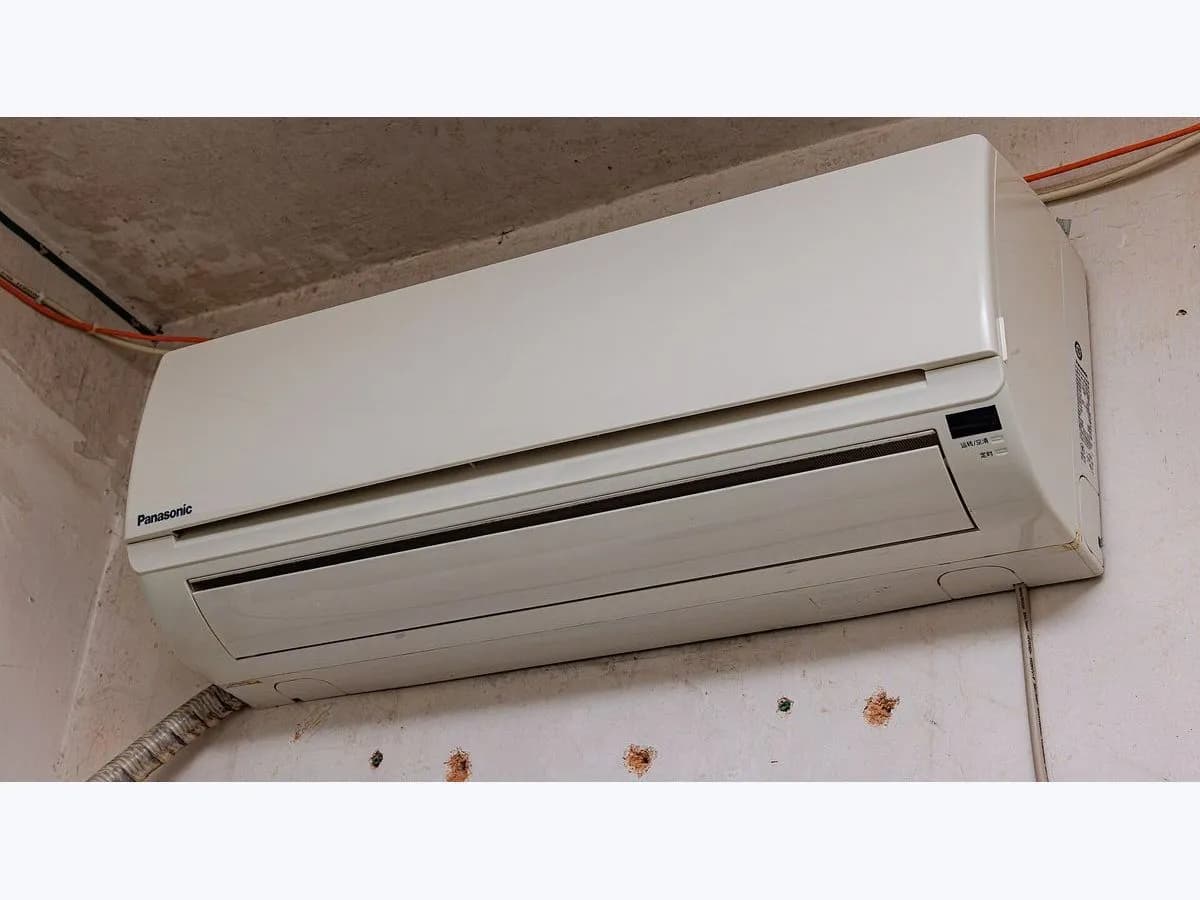
Risk level
High
Professional inspection is recommended.
Urgency
High
Quick answer
On Daitsu Artic Plus wall-mounted splits, E4 means a refrigerant leak or a refrigerant system fault. Switch the unit off, ventilate the room, keep flames and ignition sources away and call a technician certified for refrigerants.
Safety first
Stop and check this first
- Daitsu warns the unit must be kept away from operating ignition sources, must not be pierced or burned, and that refrigerants may be odourless. With E4, ventilate and keep flames away even if you smell nothing.
- Daitsu requires the unit to be serviced by qualified professionals, all power circuits to be disconnected before accessing the terminals, and anyone working on the refrigerant circuit to hold a valid certificate. This unit uses R32.
Safe checks you can perform
- Code on the indoor display
- Switch off, ventilate, no flames
- Refrigerant circuit check
Leave these tasks to a qualified professional
- Do not attempt this professional task: Find the leak before charging
- Do not attempt this professional task: Test after the repair
What a technician must be able to justify
Technician visit
These are the steps they must carry out and show you. Tick them as they work: if steps are skipped, do not accept a part swap.
These are not instructions for opening or handling the equipment yourself. They are the checks that should support a technical conclusion.
Find the leak before charging
What they doThe technician finds and repairs the leak before adding refrigerant, or records that there is no leak and what in the system fails.
They must show youthe leak point or the negative test.
In writingwhat was repaired, how much refrigerant was charged and why.
Test after the repair
What they doThe technician runs the unit and checks it cools or heats without showing E4 again.
They must show youthe unit running with no code.
In writingdate and result of the test.
Before accepting a part or repair
Nothing has been shown yet. Do not accept a part swap based on the code alone.
Follow these steps
Note: Follow the documented order. An error code identifies the affected system, but it does not prove by itself which part has failed.
Code on the indoor display
- Who:
- you.
- How:
- look at the indoor unit display: Daitsu shows the fault code there.
- Result that matters:
- that the code is E4.
- If it is E4:
- treat it as a possible refrigerant leak and go to the next step.
- If it is another code:
- this page does not apply; look up that code.
- Evidence to keep:
- a photo of the display with the code, date and time.
Evidence: Daitsu Artic Plus DS-9KTP-6, DS-12KTP-6, DS-18KTP-6, DS-24KTP-6: manual de instalación y usuario
Switch off, ventilate, no flames
- Who:
- you.
- How:
- switch the unit off, ventilate the room and do not use open flames, gas appliances or electric heaters nearby: Daitsu lists them as ignition sources for R32.
- Result that matters:
- the room ventilated and free of ignition sources until the check.
- If you notice a smell or feel unwell:
- leave the room, keep it ventilating and tell the technician.
- If you notice nothing:
- keep ventilating: Daitsu warns the refrigerant may be odourless.
- Evidence to keep:
- a note of the time, what you did and any symptom.
Evidence: Daitsu Artic Plus DS-9KTP-6, DS-12KTP-6, DS-18KTP-6, DS-24KTP-6: manual de instalación y usuario
Refrigerant circuit check
- Who:
- a technician certified to handle refrigerants.
- How:
- checks the circuit for leaks and, if there are none, for the system fault E4 covers, following Daitsu's manual.
- Result that matters:
- whether there is a leak and where, or which part of the system fails.
- If the leak is found:
- it is repaired before charging refrigerant.
- If there is no leak:
- it should be recorded and the fault sought in the rest of the system.
- Evidence to keep:
- a job sheet with the leak point or the negative test and what was repaired.
Daitsu requires a valid certificate to work on the R32 refrigerant circuit: certified technician only.
Evidence: Daitsu Artic Plus DS-9KTP-6, DS-12KTP-6, DS-18KTP-6, DS-24KTP-6: manual de instalación y usuario
Still not solved
If the error persists, stop here. See what the technician must do and show you.
Where this code applies
A code is meaningful only inside the right product and version context.
Primary scope
- System
- HVAC
- Brand
- Daitsu
- Product type
- Air conditioner
Known code variants
- Bosch E4
- calentador Junkers E4
- Daitsu E4
- E04
- E 4
- E401
- E402
- E403
- E421
- E422
- E423
- E431
- E432
- E433
- Electrolux cooker E4
- Electrolux hob E4
- Electrolux hob E401 overheating
- Electrolux induction hob error E4
- Electrolux placa E4
- error E4 lavadora Haier
- error E4 lavavajillas Fagor
- error E4 placa inducción Electrolux
- Fagor 3LVF-623.1 E4
- Fagor dishwasher E4
- Fagor dishwasher error E4
- Fagor dishwasher overflow E4
- Fagor lavavajillas E4
- Haier E4 error washer
- Haier E4 lavadora
- Haier washer E4 not filling
- Haier washing machine E4
- Hydronext 5600S E4
- Hydronext 5700S E4
- Junkers E4
- lavadora Haier E4 no coge agua
- lavavajillas Fagor rebose E4
- Mitsubishi E4
- Mitsubishi Electric E4
- Mr. Slim E4
- PKA E4
- placa Electrolux E401 sobrecalentamiento
- vitro Electrolux E4
What it means
Daitsu defines E4 as a refrigerant leak or refrigerant system fault in the table for the Artic Plus series, which uses R32. The table does not say how it is detected. The code does not prove there is a leak: it also covers a system fault, and telling them apart needs a technician with a valid certificate for handling refrigerants to check the circuit. Daitsu warns that refrigerants may be odourless.
Warnings and stop conditions
- Highsource verified
Daitsu warns the unit must be kept away from operating ignition sources, must not be pierced or burned, and that refrigerants may be odourless. With E4, ventilate and keep flames away even if you smell nothing.
Evidence: Daitsu Artic Plus DS-9KTP-6, DS-12KTP-6, DS-18KTP-6, DS-24KTP-6: manual de instalación y usuario
- Highsource verified
Daitsu requires the unit to be serviced by qualified professionals, all power circuits to be disconnected before accessing the terminals, and anyone working on the refrigerant circuit to hold a valid certificate. This unit uses R32.
Evidence: Daitsu Artic Plus DS-9KTP-6, DS-12KTP-6, DS-18KTP-6, DS-24KTP-6: manual de instalación y usuario
Symptoms and causes
Probable causes · in order
- Refrigerant leakPossible
The first condition Daitsu names. It is confirmed by finding the leak in the circuit; Daitsu notes refrigerant may have no smell, so noticing nothing does not rule it out.
Evidence: Daitsu Artic Plus DS-9KTP-6, DS-12KTP-6, DS-18KTP-6, DS-24KTP-6: manual de instalación y usuario
- Other refrigerant system faultPossible
Daitsu includes system faults without a leak. If the technician finds no leak, the fault should be sought in the rest of the circuit before charging refrigerant.
Evidence: Daitsu Artic Plus DS-9KTP-6, DS-12KTP-6, DS-18KTP-6, DS-24KTP-6: manual de instalación y usuario
Virtual technician
Does E4 still appear after these checks?
Answer a few questions to narrow down the likely cause and the safest next action. Guidance only - it never replaces a professional.
Sources and technical references
Was this entry useful?